Something deeper is happening in the horse world — and it goes far beyond a single rule change.
Across equestrian sport, the cost of participation is rising, the landscape is changing, and even lifelong horsemen are beginning to ask difficult questions about where we are headed.
The recent decision by the Arabian Horse Association to waive qualifications for upcoming shows has sparked plenty of discussion — but perhaps the conversation it has opened is much larger than a single rule change.
The Rising Cost of Participation
Participation in horses has always required commitment and sacrifice. That has never been new. What is new, however, is the exponential rise in the cost of simply keeping horses and operating within this industry. Feed, hay, farrier work, veterinary care, boarding, fuel, trucking, labor — every component has climbed dramatically in recent years.
For professional trainers and training operations, the pressure is even greater. The cost of doing business continues to rise while the margins become thinner. Liability insurance, health insurance, facility costs, employees, equipment, and fuel all compound into an environment where simply staying operational has become a serious challenge. Trainer rates have increased not out of excess, but out of necessity — to meet the basic realities of running a business in today’s world.
At some point the equation quietly changes — when the joy of something you love no longer justifies the cost of participating in it.
A Changing World
But these pressures do not exist in isolation within the horse world. They are part of a much larger global environment that is affecting every corner of society. Political instability, unrest in many parts of the world, ongoing wars, rising fuel prices, and the increasingly unaffordable cost of housing and land have all reshaped the financial reality for many families. These forces ripple outward into every industry — and equestrian sport is certainly not immune.
Perhaps the most overlooked challenge of all is the quiet disappearance of land itself. Horse property — once common on the outskirts of towns and rural communities — is steadily being absorbed by development, rising land values, and expanding cities. When the land disappears, the horses inevitably follow.
When the broader world becomes more uncertain and the cost of simply living continues to rise, pursuits like horses — which have always required space, time, and resources — inevitably feel that pressure first.
The Shift Away from Education
Along the way, we also drifted from something that was once fundamental to the Arabian horse community: education. Owning and showing Arabians used to be about studying pedigrees, learning bloodlines, developing horsemanship, and growing in knowledge. It wasn’t simply a pay-to-play environment. The goal was to cultivate horsemen and horsewomen — people deeply invested in the breed and the journey that comes with it.
A Personal Reflection
Speaking personally, my relationship with horse shows has evolved over time. The love of the breed is still there — stronger than ever — and my passion for Arabian horse ownership has certainly not faded. If anything, it has grown deeper. What I find myself reflecting on now is how the joy of this journey with these horses continues to reveal itself in different ways.
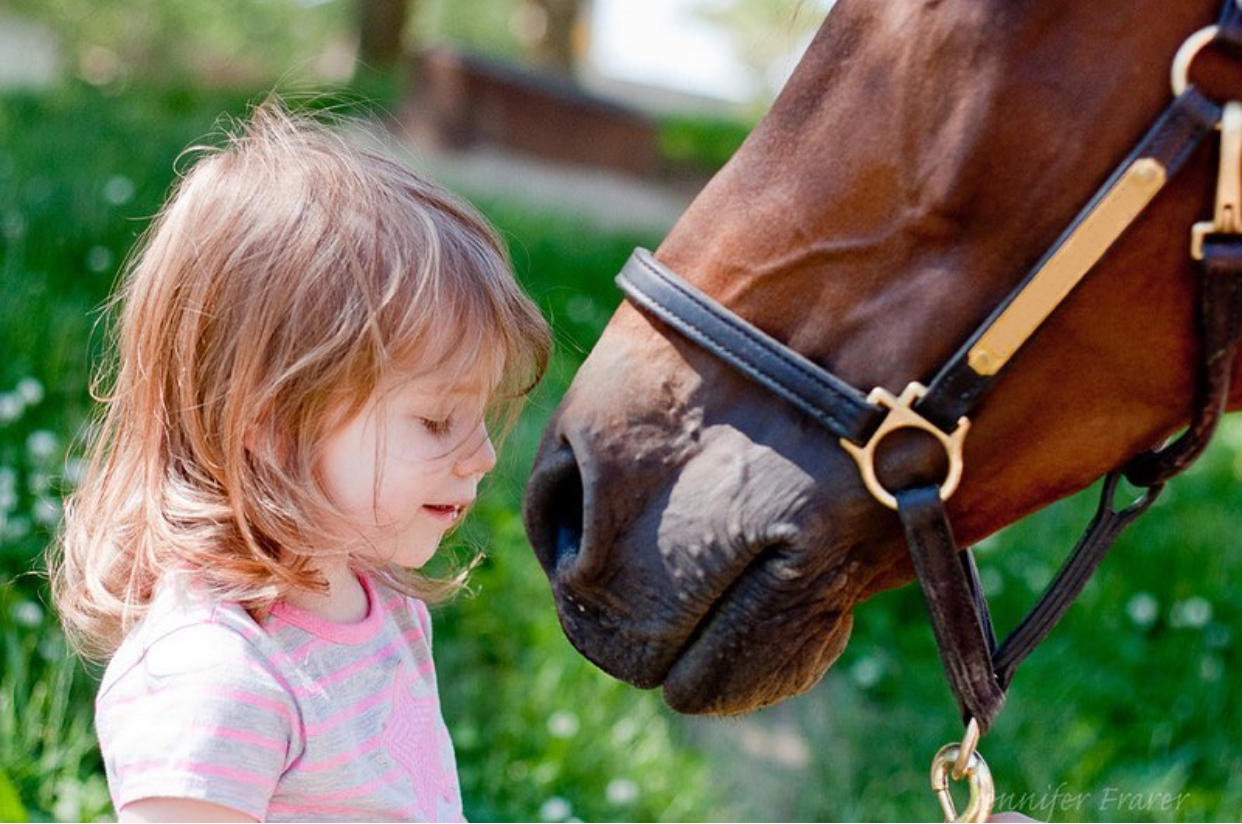
Perhaps the joy I once experienced primarily at shows has simply taken a different form. These days I find tremendous fulfillment working on my farm, learning, studying, and interacting with my Arabian horses day to day rather than standing at the rail of (or in) a show ring. And maybe that is part of what makes this journey with the Arabian horse so remarkable. These horses have a way of revealing parts of ourselves we didn’t even know existed — teaching patience, curiosity, humility, and connection in ways that extend far beyond any competition.
Preservation vs. Expansion
And that may be one of the hardest truths for our community to acknowledge: at this stage, we may no longer be in a phase of expansion. We may be in a phase of preservation.
For years we have focused conversations around bringing new people into the Arabian horse world. But the reality is that this lifestyle has become financially out of reach for many. No matter how creative the event or how well-produced the show, the barrier to entry remains significant.
If the very people who have eaten, slept, and breathed Arabian horses for decades are beginning to feel disenfranchised or disconnected, we have to ask ourselves an honest question: how can we expect someone entirely new to step into this world?
Perhaps the focus now should be simpler — and more meaningful. Sustain what we still have. Support the people who remain deeply committed to these horses. Protect the knowledge, passion, and community that generations before us built.
Because the Arabian horse lifestyle was never truly about a single show, a qualification rule, or even a ribbon. It was about a relationship — between Arabian horse and human, between breeders and horsemen, between friends who gathered around a shared passion for one of the most extraordinary animals ever entrusted to mankind.
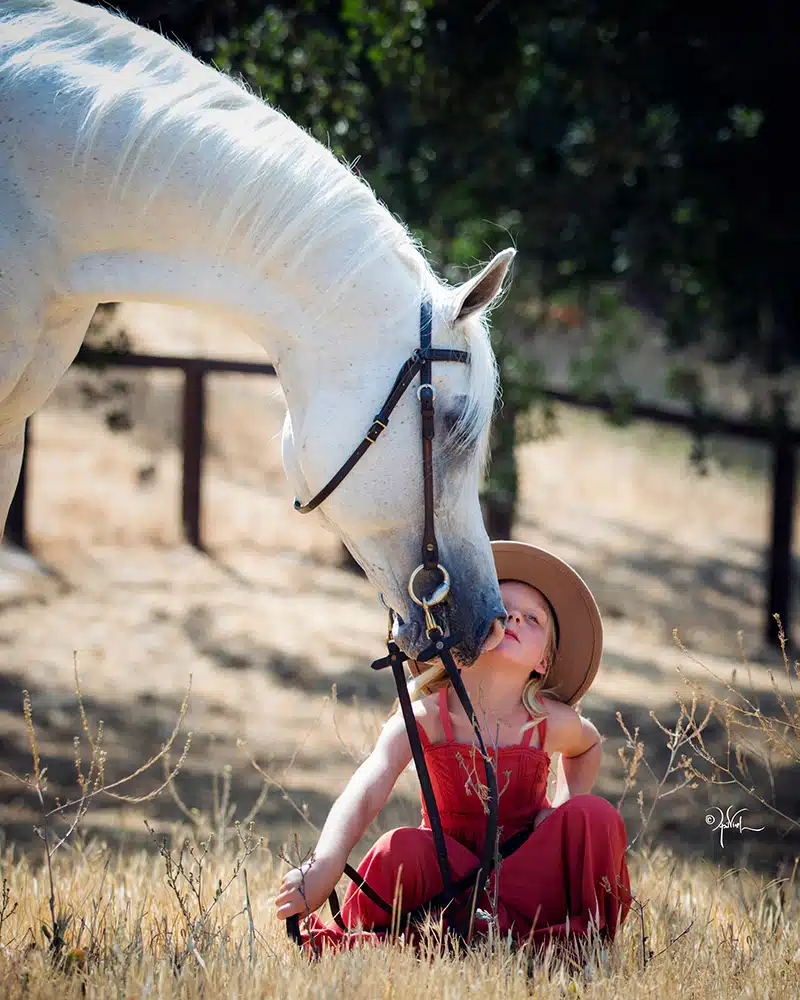
The Arabian horse has always been different in that way. For centuries they have drawn people not simply into ownership or competition, but into a deeper relationship — one that asks for curiosity, patience, humility, and a lifelong willingness to learn.
And perhaps that is the quiet truth of the Arabian horse — they have never merely been something we show, but something that ultimately shapes who we become.